What payment infrastructure means on Solana
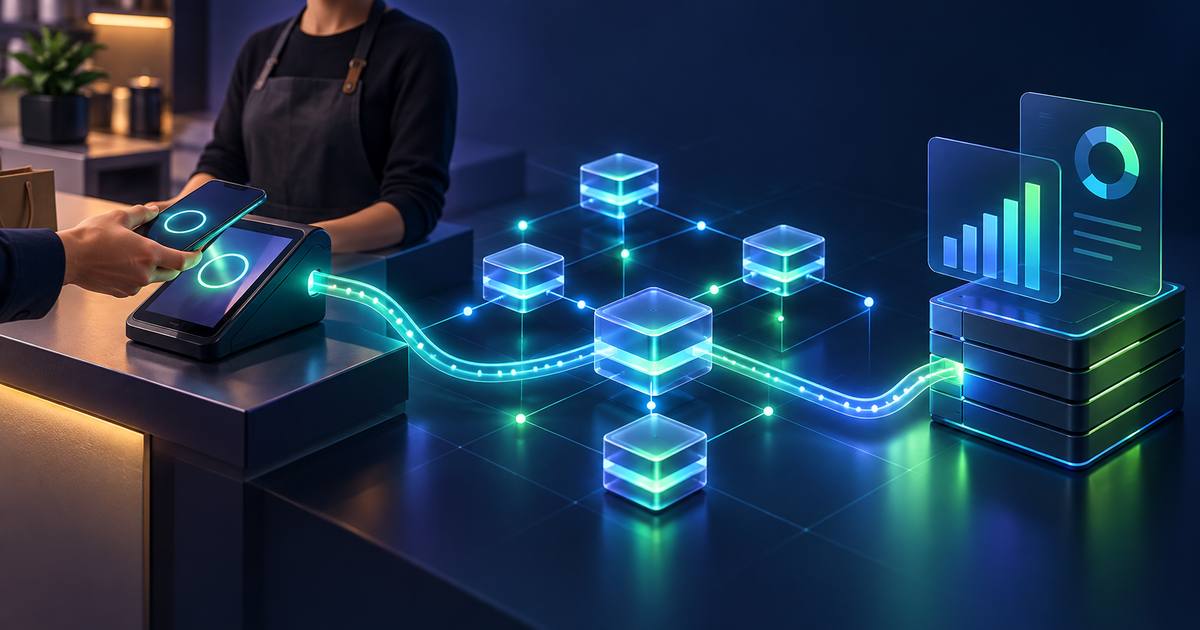
Solana payment infrastructure is the combination of on-chain transfer rails and the software and procedures a business uses to request, verify, reconcile and account for payments. The network can settle token transfers. It does not, by itself, create an order in a merchant's store, decide whether a customer paid the requested amount, issue a refund, convert proceeds or reconcile the payment to an invoice.
That distinction matters because a blockchain transaction and a completed commercial order are different records. A business still needs a trusted way to connect a customer, amount, accepted token, destination and order reference, then decide what confirmation threshold is appropriate before delivering a product or service.
- Network layer: token transfer, transaction status and on-chain receipt.
- Checkout layer: payment request, price display, supported asset and customer instructions.
- Operations layer: order matching, accounting, exception review, refunds and payout policy.
Which integration model fits a business?
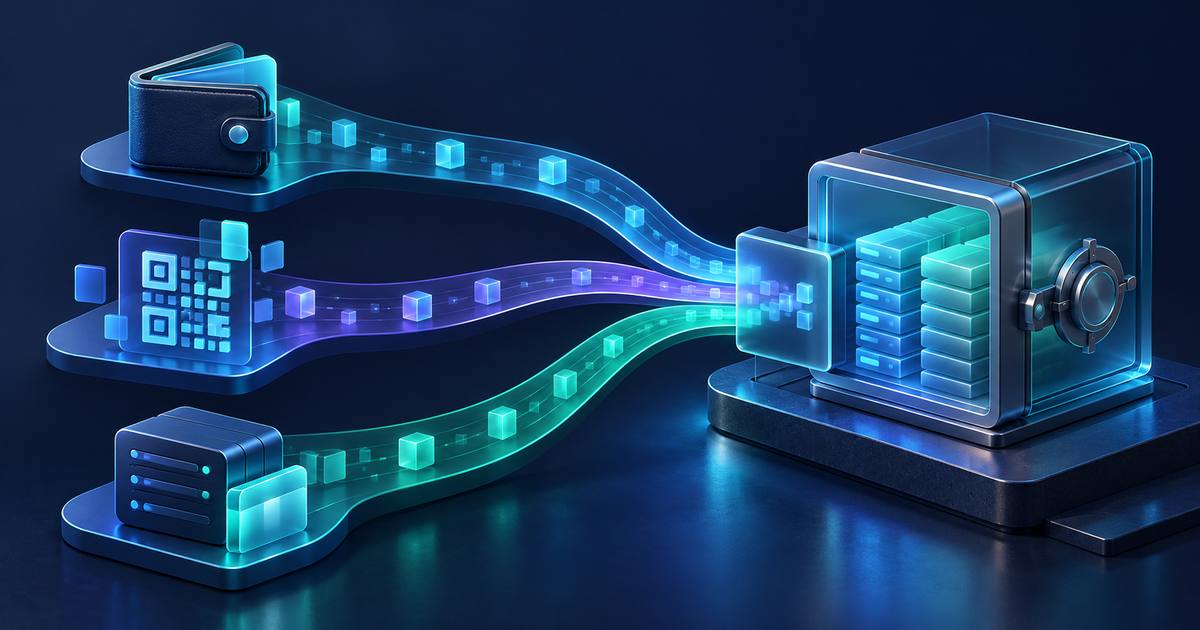
There is no single best route. A direct wallet integration gives the business control over a custom flow but also leaves it responsible for transaction monitoring, retries and reconciliation. Solana Pay and related checkout components provide more standard payment-request patterns. A managed processor can add a separate business-facing layer for payment acceptance and funds operations, but introduces provider terms, onboarding and counterparty dependencies.
Solana's own payment documentation distinguishes drop-in components, Solana Pay and direct RPC integration. A business that needs a managed crypto acceptance and payout workflow may also assess Performa after mapping which tasks it wants a provider to handle. Performa's current processing page describes payment links or integrated checkout, transaction screening, a business funds space, and hold, conversion or withdrawal options; confirm supported token networks, commercial terms, availability and settlement timing directly before treating those as available for a specific Solana flow.
| Model | What it can provide | Responsibilities to confirm | Often fits when |
|---|---|---|---|
| Direct wallet + RPC | Custom flow and control | RPC, verification, retries, monitoring, keys, refunds | Technical teams operating a custom flow |
| Solana Pay or checkout component | Standard payment request or embedded checkout | Wallet support, token support, server verification, order matching | Stores and apps wanting Solana-native checkout |
| Managed crypto processor | Provider-facing acceptance and operations, under contract | Asset support, custody, fees, payouts, countries and service levels | Teams reducing infrastructure they operate |
A reliable payment flow has four checkpoints
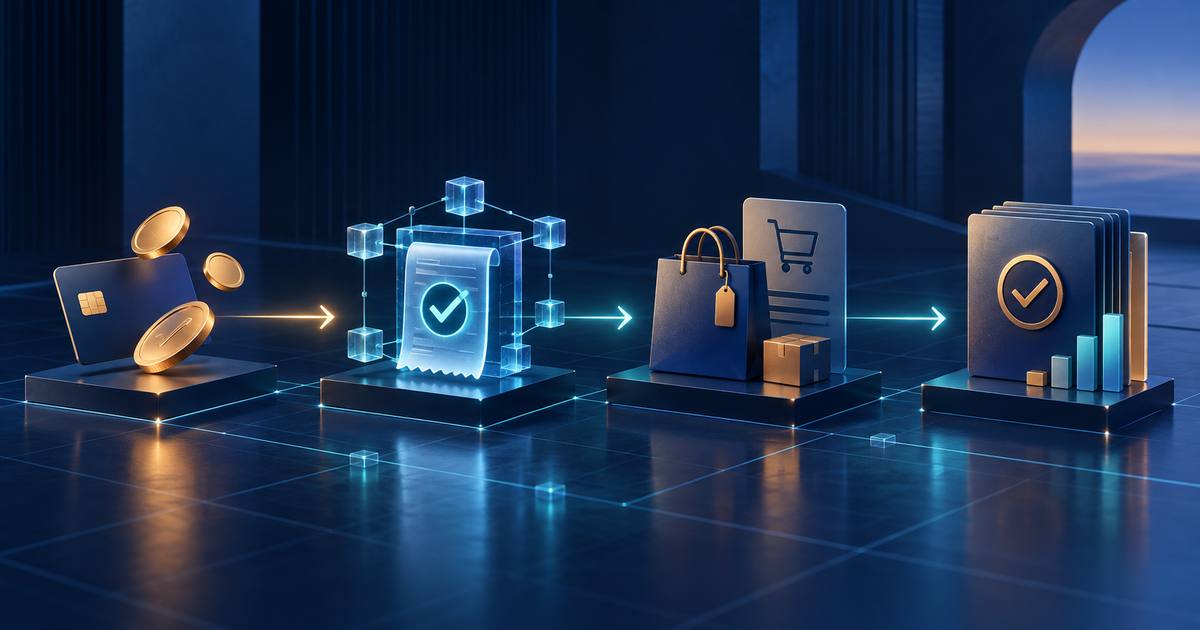
Before connecting a checkout button, define the payment record the business expects to receive. If the storefront cannot reliably tell one order from another, a successful transfer may still require manual investigation. For a direct build, the official Solana documentation recommends server-side verification and production-ready RPC, monitoring and key management; a wallet screen or browser callback should not be the sole evidence used to release goods.
Define what counts as payment
Set the token mint and network, destination, amount or pricing rule, expiry and unique order reference. Clearly label the asset.
Create the request
Choose payment link, Solana Pay, checkout component or custom flow. Store the order ID and expected amount before payment.
Verify independently
Verify the transaction server-side against expected recipient, mint, amount and order context. Use a confirmation policy suited to fulfillment risk.
Reconcile and handle exceptions
Store the transaction signature and define review paths for late, duplicate, underpaid, overpaid, wrong-token or unmatched transfers.
Where Performa may fit—and what remains to verify
A managed processing provider is most relevant when the business wants more than a raw on-chain transfer: for example, a payment link or integrated checkout plus a provider account for managing incoming funds and later withdrawals. Performa's product page currently describes a broad digital-asset acceptance service and a workflow in which funds are credited to a B2B space before a business holds, converts or withdraws them through listed fiat rails.
That description does not establish that every Solana token is supported, that a particular merchant is eligible, or that funds are instantly withdrawable. Before signing, ask for the exact network and token list, fees and FX spread, custody and segregation arrangements, settlement timing, refund treatment, reserve or review rules, supported countries, and the legal entity and governing terms. Treat advertised features as provider statements until confirmed in current contractual documentation.
- Check whether the exact Solana token and network are supported; do not infer support from a general count of accepted cryptocurrencies.
- Map who controls funds at each stage, when the merchant can withdraw, and which party handles screening or account reviews.
- Compare the full cost: processing fees, conversion spread, withdrawal charges and any minimums or reserves.
- Test refunds, customer support escalation, reporting exports and a failed or delayed payout before relying on the flow.
Production checks: security, reliability and asset identity
For a custom Solana integration, do not build production payments around a public development endpoint. Solana's production-readiness guidance calls out a production RPC provider, a fallback, retries, transaction monitoring and secure key management. The business should also separate signing authority from the public-facing checkout and ensure private keys never reach a browser bundle.
Asset identity matters as much as the payment rail. A display name such as USDC is not enough to identify a token in code: confirm the chain and mint address. Circle's official developer registry lists USDC contract addresses by supported network; the merchant should use the exact asset configured for its checkout and reconciliation flow.
A provider can take on parts of processing or screening, but it does not remove the merchant's need to understand its own legal and operational obligations. Confirm responsibilities for customer due diligence, transaction review, records, tax and consumer disclosures in the relevant jurisdictions. This guide does not assess whether a particular service meets a merchant's regulatory requirements.
Reliability
Configure RPC redundancy, alerts, retry limits and an unresolved-payment escalation path.
Security
Protect signing keys, restrict treasury access and document recovery.
Operations
Reconcile provider statements or chain data against orders and accounting records.
Provider review
Verify fees, asset support, custody, availability, dispute handling and jurisdictional limits in current terms.
Tie the payment path to your operating model
Pilot with a small set of real operational scenarios before opening the flow to every customer: a normal payment, a late payment, an incorrect amount, a refund request and a provider withdrawal. The test should cover both customer-facing instructions and the record your finance team will use later.
Reliability
Set RPC redundancy, alerting, retry limits and an escalation procedure for transactions that remain unresolved.
Security
Protect signing keys, restrict treasury access, review permissions and document incident response and recovery.
Operations
Reconcile provider statements or chain data to internal orders and accounting records on a defined schedule.
Provider review
Read current contracts and verify fees, asset support, availability, custody, dispute handling and jurisdictional restrictions.
Practical takeaway
Solana supplies the settlement rail, while merchants still need a reliable path for checkout, verification, reconciliation and treasury operations. Select a model by the work your team can safely operate, then confirm the exact supported assets, terms, geography and payout behavior before accepting real funds.
Frequently Asked Questions
Does a business need SOL to accept a Solana token payment?
Every transaction needs a fee payer. The customer or application may cover the fee; confirm who pays in your checkout flow.
Does a successful on-chain transfer automatically complete an order?
No. Verify the expected recipient, token, amount and order reference, then apply the merchant's fulfillment policy.
Does a crypto payment processor automatically support every Solana token?
No. Verify the exact network and token in current provider documentation and contract terms.
Is on-chain confirmation the same as a fiat payout?
No. Transaction confirmation, provider balance credit, conversion and bank withdrawal are separate steps with different timing and rules.
What should a business test before launch?
Test normal, duplicate, late, underpaid, overpaid and wrong-token payments, plus refunds, reconciliation and withdrawals.